

Portuguese Gold: the guide to 19.2kt gold
Portuguese gold is 19.2kt gold: an alloy of 80% pure gold, richer than the 18kt and 14kt gold used in most of the world. It is the gold in which generations of Portuguese master goldsmiths created the jewelry that passes from mother to daughter. In this guide, we share what it is, how it compares, how to read its hallmark and how to choose a piece to keep for life.
- Pure gold
- 80%
- Fineness
- 800‰
- Of 24 karats
- 19.2kt
What is 19.2kt gold?
19.2kt gold is a gold alloy that contains 80% pure gold. Jewelers write the same thing as 800 fineness: 800 parts of gold in every 1,000. Pure gold is 24 karats, and 80% of 24 is 19.2, which is where the unusual number comes from.
The remaining 20% is mostly silver and copper. They give the metal the strength that pure gold lacks, so it can be drawn into the hair-thin threads used in filigree and still be worn for decades.
19.2kt is gold all the way through. It is not gold plating and it is not gold vermeil: there is no other metal underneath that can show with wear. It is the standard in which generations of Portuguese master goldsmiths left their legacy, which is why it is known around the world simply as Portuguese gold.
19.2kt gold vs 18kt, 14kt and 24kt
Karat measures how much of a piece is pure gold. The higher the number, the more gold it holds, and the deeper and warmer its yellow. Here is where Portuguese gold sits among the standards you are most likely to come across.
| Karat | Fineness | Pure gold | Where you find it |
|---|---|---|---|
| 24kt | 999 | 99.9% | Bullion and coins. Too soft for most jewelry. |
| 19.2kt | 800 | 80% | Portuguese gold. The traditional standard of Portuguese jewelry. |
| 18kt | 750 | 75% | Fine jewelry in most of Europe. |
| 14kt | 585 | 58.5% | The most common standard in the United States. |
| 9kt | 375 | 37.5% | Entry-level gold, common in the United Kingdom. |
Put side by side, 19.2kt gold holds about 7% more pure gold than 18kt and about 37% more than 14kt. You can see the difference: Portuguese gold has a noticeably richer, more saturated yellow than the paler gold of lower-karat jewelry.
Why is it called Portuguese gold?
While most countries settled on 18kt or 14kt for their jewelry, Portugal stayed true to a richer alloy. The 800 standard became the reference for Portuguese master goldsmiths, and it is still the fineness in which traditional Portuguese pieces are created today, ours included.
Gold has a particular place in Portuguese life, above all in the Minho region in the north. Gold jewelry was a family's savings and a daughter's dowry, bought piece by piece and handed down from mother to daughter. Every August, at the Romaria da Senhora d'Agonia in Viana do Castelo, the mordomas still parade wearing layers of family gold over their traditional dress: hearts, beads, crosses and long earrings, each with its own name and meaning.
The State has guaranteed that gold for a long time. The legal standards were made uniform across the country in 1881 and, since 1882, the Lisbon and Porto Assay Offices have tested and marked precious metal.

The 800 hallmark: how to recognize Portuguese gold
In Portugal, gold jewelry cannot simply be described as gold by the person selling it. It has to be tested and stamped by the Contrastaria, the Portuguese Assay Office, which is part of the national mint (INCM). Look closely at a genuine piece and you will find two tiny stamps:
- The assay office mark. The State's guarantee of the metal and its fineness. On 19.2kt gold it carries the number 800. Since 2021 the symbol for 800 gold is a ram's head facing left; pieces marked before then carry earlier symbols, so vintage Portuguese gold looks a little different.
- The responsibility mark. The registered stamp of the maker or importer who placed the piece on the market.
Every Portugal Jewels piece in 19.2kt gold is tested and hallmarked by the INCM Assay Office under Portuguese Law No. 98/2015: it is our promise of authenticity. You can compare the stamps on your jewelry with the official tables published by the Portuguese Assay Office.

The 800 gold hallmarks through the years
Since 1887, Portuguese gold has carried four assay office marks. Knowing them helps you date a family piece and recognize genuine 19.2kt gold.
-

1887–1937
Dragon's head with numeral II
800 gold was the second legal standard and carried the Roman numeral II below the dragon's head. Each assay office had its own outline: Lisbon, Porto, Braga and Gondomar.
-

1938–1984
Dragon's head
From 1938, the number 800 was engraved in the mark itself, below the dragon's head. Lisbon, Porto and Gondomar each had their own outline.
-

1985–2020
Stag's head
Facing left, with the number 800 at the base. It is the mark you will find on many pieces bought before 2021.
-

Since 2021
Ram's head
Facing left, with the number 800. It is the mark our 19.2kt gold jewelry carries today. Facing right, it indicates a lower standard: 750, 585 or 375.


Pieces of historical interest. The Portuguese Assay Office also has its own marks for jewelry of recognized historical or artistic interest: an old man's head crowned with laurel for pieces made before 1882, and a duck for pieces made after 1882 that are over 50 years old.
Marks: © Contrastaria, INCM, official charts of the legal marks of 1887 to 1937, 1938, 2015 and 2021.
Portuguese gold jewelry to start with
The 19.2kt gold pieces our customers love most, handcrafted in Portugal and hallmarked by the Portuguese Assay Office.
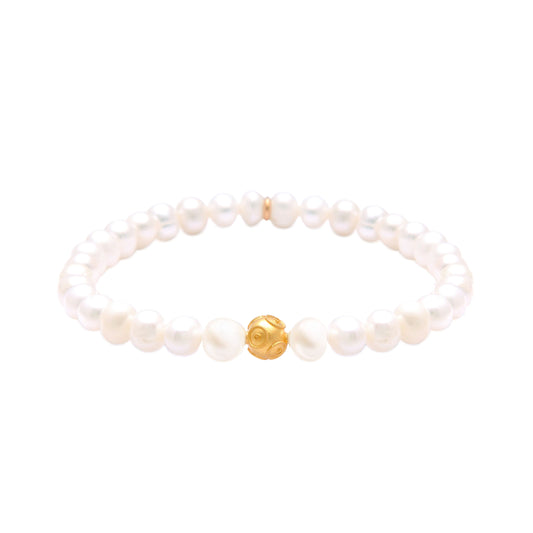
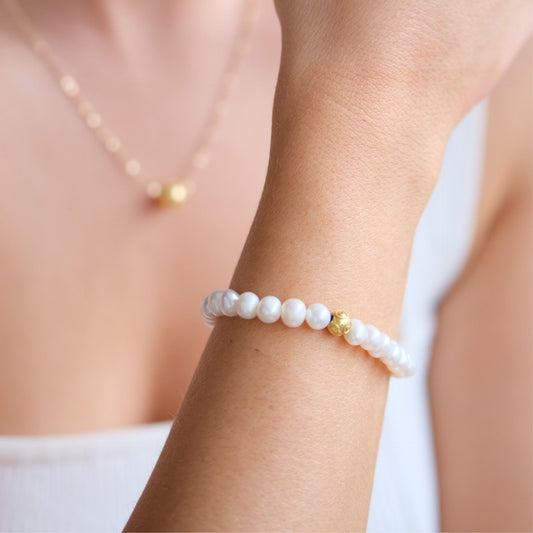
Bracelet Viana's Conta in 19.2Kt Gold with Pearls
ASCT00357W


Earrings Viana’s Conta in 19.2Kt Gold
AECT00770A
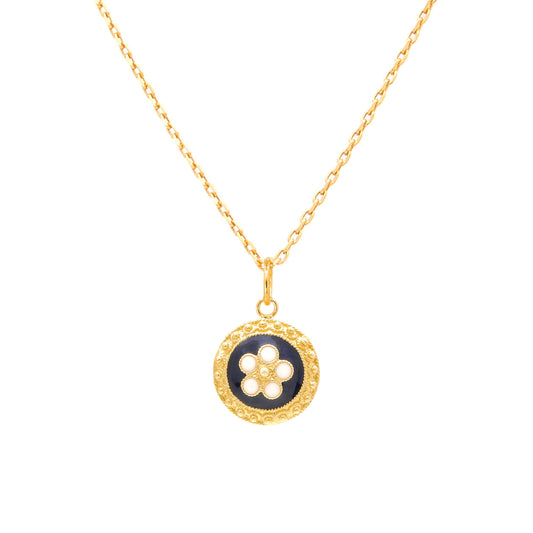

Necklace Caramujo in 19.2Kt Gold
ANAZ01358B


Necklace Heart of Viana XS in 19.2Kt Gold
ANCV01329A

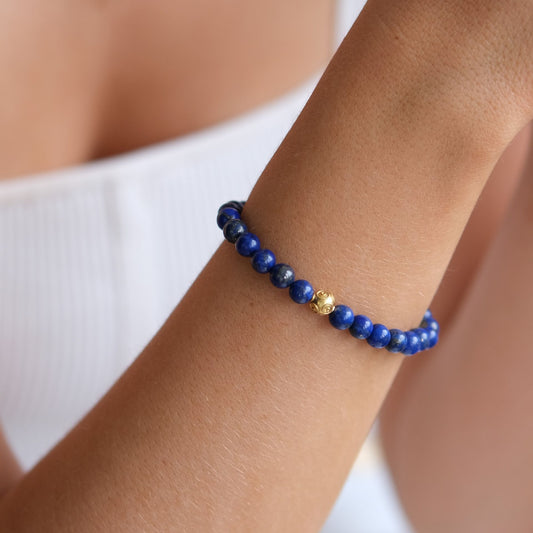
Bracelet Viana's Conta in 19.2Kt Gold with Lapis Lazuli
ASCT00357B


Earrings Heart of Viana XXS in 19.2Kt Gold
AECV00723A
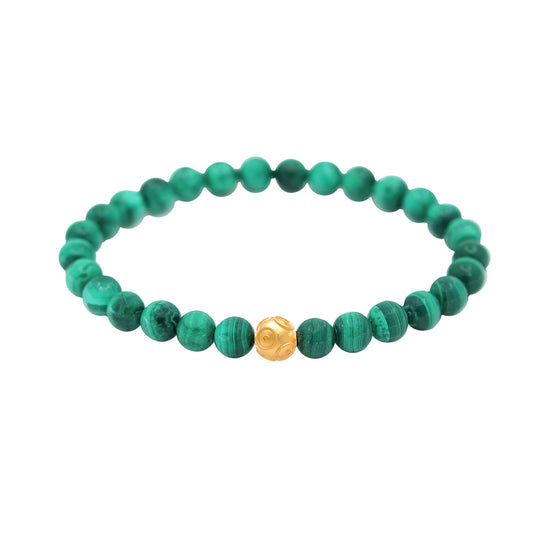
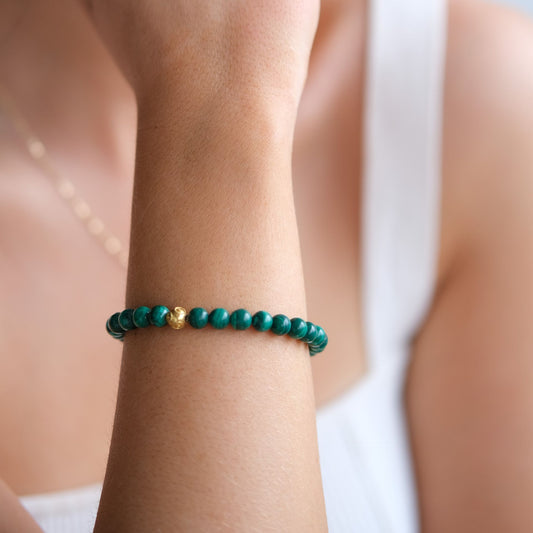
Bracelet Viana's Conta in 19.2Kt Gold with Malachite
ASCT00357G


Necklace Viana's Conta in 19.2Kt Gold
ANCT01005A


Necklace Heart of Viana XXS in 19.2Kt Gold
ANCV00865A
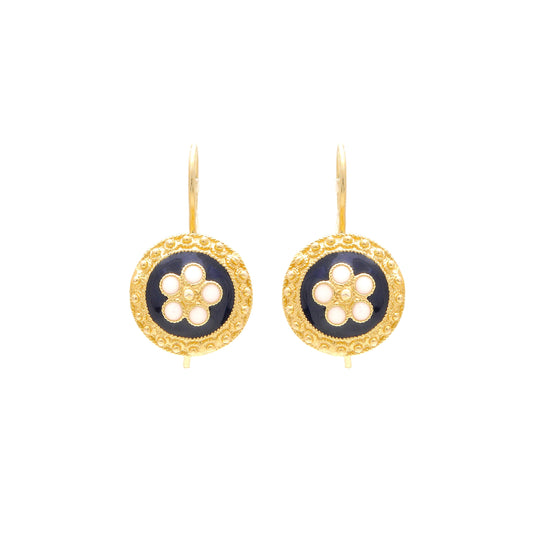
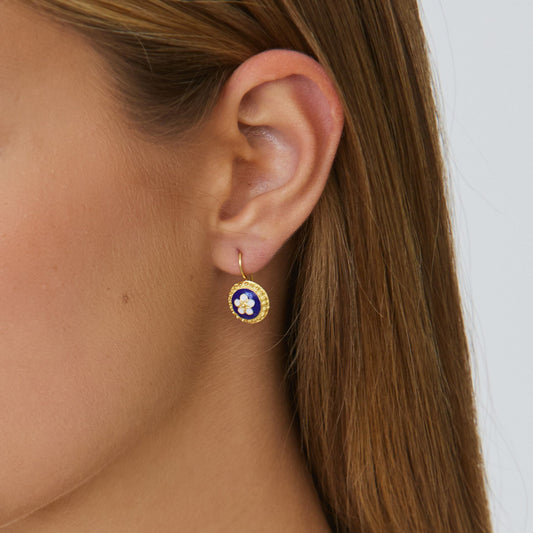
Earrings Caramujo in 19.2Kt Gold
AEAZ01975B


Earrings Queen XS in 19.2Kt Gold
AERA01143A
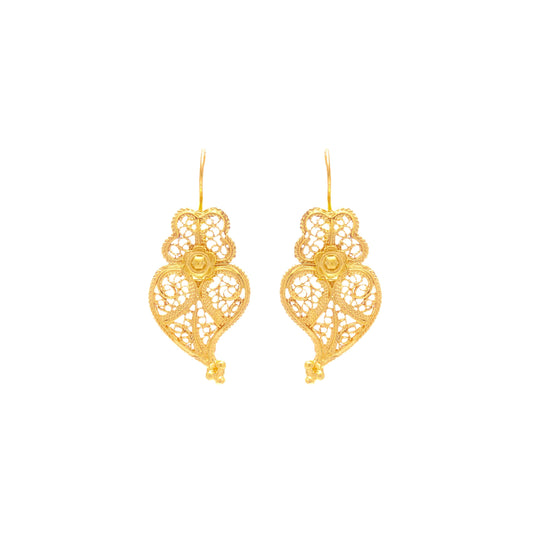

Earrings Heart of Viana S in 19.2Kt Gold
AECV02154A
Traditional Portuguese goldsmithing in 19.2kt gold
Portuguese gold lives in a small family of designs that master goldsmiths in the north of the country have created for centuries, each with its own story.
- Heart of Viana. The filigree heart with its flame on top, born of the devotion to the Sacred Heart of Jesus and today a symbol of love, faith and Portuguese identity.
- Viana's Contas. Hollow gold beads decorated with fine filigree, which the young women of Viana bought one by one.
- Queen Earrings. Brincos à Rainha, the long earrings of the Viana dress, named, as the story goes, after a pair given to Queen Maria II.
- Caramujo. The spiral shell motif, one of the oldest patterns in Portuguese filigree.
Most of them are made in filigree: gold threads twisted, shaped and soldered by hand into patterns as fine as lace.

Is 19.2kt gold good for everyday wear?
Yes. At 80% gold it is rich in color and value, and the silver and copper in the alloy make it considerably more resistant than 22kt or 24kt gold. It is the metal Portuguese families have worn daily, and passed on, for generations.
Because it is gold throughout, it does not wear through, flake or fade the way plated jewelry eventually does. A piece that has dulled with the years can be cleaned and polished back to its original color.
It is still a soft, precious metal. Filigree and openwork designs in particular deserve to be treated gently, which is what the next section is about.
How to care for 19.2kt gold jewelry
- Put it on last. Perfume, creams and hairspray leave a film that dulls gold. Let them dry first.
- Take it off for sport, the pool and the sea. Chlorine is hard on gold alloys, and knocks can bend fine filigree.
- Clean it gently. A soft, dry cloth is enough for regular care. Avoid abrasive cleaners and treated polishing cloths.
- Store each piece on its own. Gold scratches gold. Keep pieces apart, in their box or a soft pouch, away from heat and humidity.
- Take extra care with pearls, enamel and stones. They are more delicate than the gold that holds them.
If one of your Portugal Jewels pieces ever needs attention, we will repair and restore it for you, with the same care we put into making it. You will find more detail in our Jewelry Guide.
Portuguese gold by Portugal Jewels
Our story began in 1955, when our grandfather José opened a jewelry workshop in Gondomar, the town in the north that has been the center of Portuguese goldsmithing for centuries. Today, in the family's third generation, our 19.2kt gold collection is still designed and made in Portugal by master goldsmiths with decades at the bench.
Every piece is hallmarked by the Portuguese Assay Office and comes with a 3-year warranty.
Portuguese gold: frequently asked questions
Is 19.2kt gold real gold?
Yes. 19.2kt gold is a solid gold alloy made of 80% pure gold and 20% other metals, mainly silver and copper. It is not gold-plated and it is not gold-filled: the gold runs through the whole piece.
Is 19.2kt gold the same as 800 gold?
Yes. 800 is the fineness: 800 parts of pure gold per 1,000, or 80%. Expressed in karats, 80% of 24 is 19.2. A piece stamped 800 by the Portuguese Assay Office is 19.2kt gold.
Is 19.2kt gold better than 18kt gold?
It contains more gold: 80% compared with 75%. That gives it a slightly deeper yellow and a higher gold value for the same weight. 18kt is a little harder. Both are fine jewelry standards, and the choice comes down to color, tradition and taste.
Does 19.2kt gold tarnish?
Gold itself does not tarnish, and with 80% gold content Portuguese gold keeps its color for generations. Over many years the surface can lose some of its shine through contact with cosmetics, chlorine and everyday wear. A professional clean and polish brings it back.
Why is Portuguese gold more yellow?
Color follows gold content. With 80% pure gold, 19.2kt has a warmer and more saturated yellow than 14kt (58.5%) or 18kt (75%), whose higher share of alloy metals makes the color paler.
How can I tell if Portuguese gold is genuine?
Look for the hallmarks. Genuine Portuguese gold carries the assay office mark of the Contrastaria with the number 800, together with the maker's responsibility mark. Buy from an established jeweler, and if in doubt, the Portuguese Assay Office can verify a piece.
Is 19.2kt gold only made in Portugal?
The 800 standard is legal in other countries too, but it is rarely used for jewelry outside Portugal. Portugal is where it became the traditional standard, which is why 19.2kt gold is known as Portuguese gold.
Is all Portugal Jewels jewelry made of 19.2kt gold?
No. We also make jewelry in 925 sterling silver and in gold-plated silver. The material is stated on every product page, and everything in our Portuguese Gold 19.2kt collection is solid 19.2kt gold.
