GESCHICHTE DES FILIGRANS
Das Wort Filigran entstammt der Verbindung der lateinischen Begriffe filum (Faden) und granum (Korn) – ein Ausdruck, der die außergewöhnliche Zartheit des Verwandelns hauchdünner Gold- oder Silberfäden in Kunstwerke evoziert. Dieser „gekörnte Faden", von portugiesischen Meistergoldschmieden von Hand geformt, gab einer der weltweit bewundertsten Schmucktraditionen ihren Ursprung: dem Filigran.
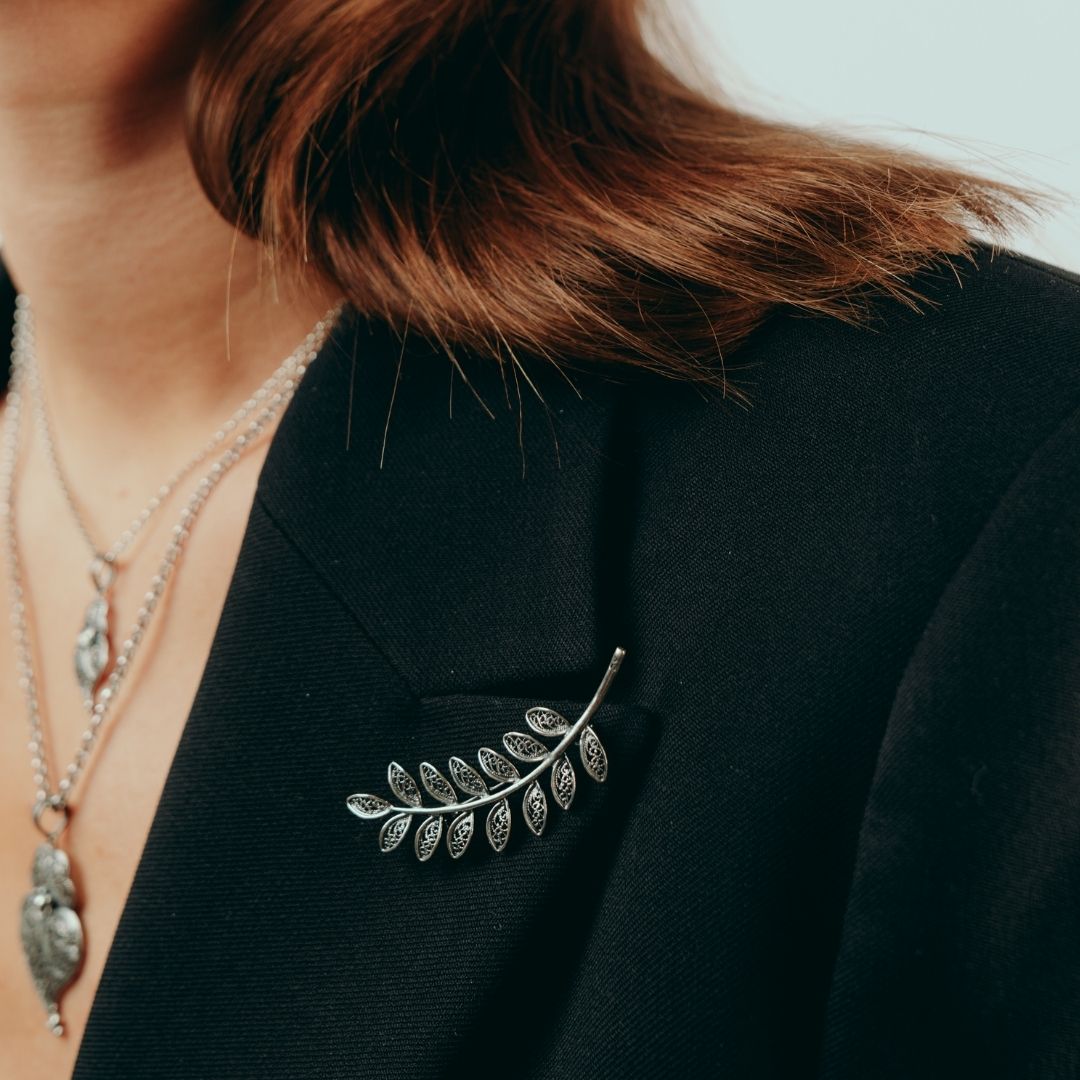
Filigran ist eine vollständig handwerkliche Kunstform, die den höchsten Grad an Geschicklichkeit, Geduld und Phantasie erfordert. Jedes Stück wird aus äußerst feinen Fäden aus Sterlingsilber oder Gold gefertigt, verdreht, miteinander verflochten und mit millimetergenauer Präzision von den geschickten Händen von Handwerkern gelötet. Es ist diese Meisterschaft, weitergegeben von Generation zu Generation, die Filigran seine internationale Anerkennung als eine der verfeinertsten und anspruchsvollsten Schmucktechniken in der Welt verleiht.
Bei Portugal Jewels ist jedes Filigran-Schmuckstück in Portugal handwerklich gefertigt, unter Beachtung Jahrhunderte alter Techniken und unter Verwendung der höchsten Qualitätsmaterialien, 925er Sterlingsilber und vergoldetes Silber. Aus unseren Werkstätten in Nordportugal entstehen Stücke, die Tradition ehren, mit garantierter Authentizität, sicherem weltweitem Versand und personalisiertem Service, der jede Bestellung begleitet.
URSPRÜNGE DES FILIGRANS
Die Ursprünge des Filigrans reichen bis ins dritte Jahrtausend v. Chr. zurück, mit archäologischen Beweisen in Mesopotamien. Die Technik erreichte die Iberische Halbinsel durch phönizische Handelsrouten und den Einfluss arabischer Zivilisationen, aber es war in Portugal, dass sie ihren singulärstem Ausdruck erreichte.
Ab dem 17. Jahrhundert entwickelt das Filigran seine eigene charakteristische Identität, anders als jede andere Goldschmiedetradition in der Welt. Im 18. Jahrhundert, vorangetrieben durch Aufträge des Königshofs und des Klerus sowie beeinflusst durch die Barock-Ästhetik, wuchs die Produktion exponentiell und entwickelte sich von einem exklusiven Ornament des Adels zu einem Volkszierrat verbunden mit den kulturellen Traditionen Nordportugals.
Heute wird Filigran als eine bedeutende kulturelle und künstlerische Ausdrucksform in Portugal anerkannt, ein lebendiges Symbol einer Identität, die Jahrtausende umfasst.

DIE HANDWERKLICHE TECHNIK
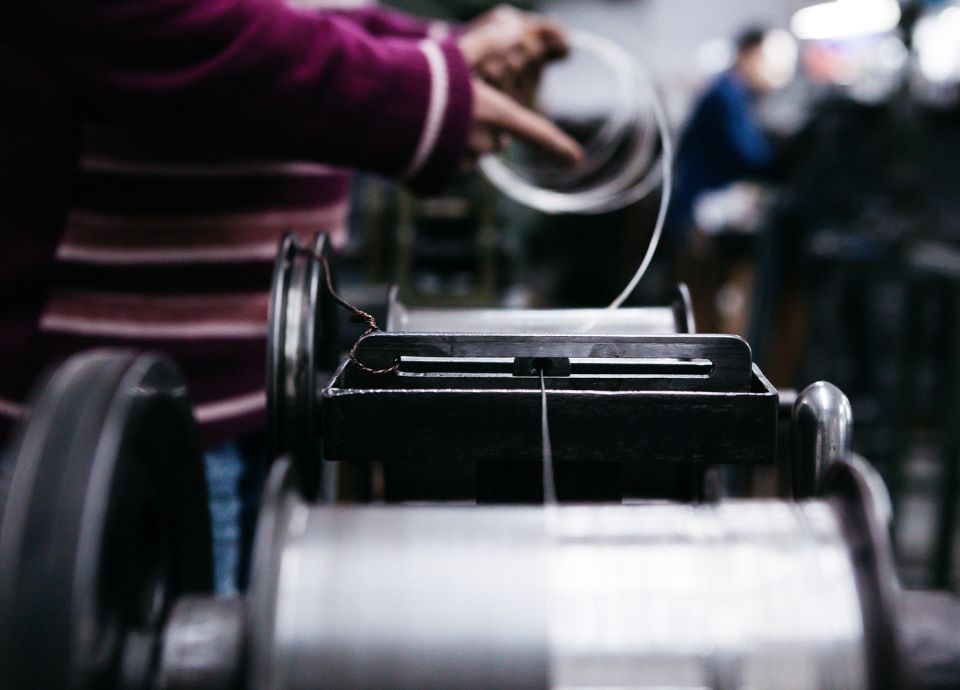
Der Prozess der Schaffung eines Filigran-Schmuckstücks ist vollständig manuell und erfordert außergewöhnliche Geschicklichkeit. Das Metall, Gold oder Silber, wird geschmolzen und in einen dünnen Stab umgewandelt, der progressiv gezogen wird, bis Fäden fast unmerklicher Dicke erhalten werden. Diese Fäden werden dann verdreht, abgeflacht und erhitzt, um sie formbar zu machen.
Der Meistergoldschmied erstellt zunächst die Struktur, das Skelett des Schmuckstücks, und ordnet dann die verdrehten Fäden in traditionellen Mustern an: S-förmige Kurven, Spiralen, Schuppen und Schnörkel. Jedes Detail wird positioniert und von Hand gelötet in einem präzisen Prozess, der Stunden oder sogar Tage pro Stück dauern kann.
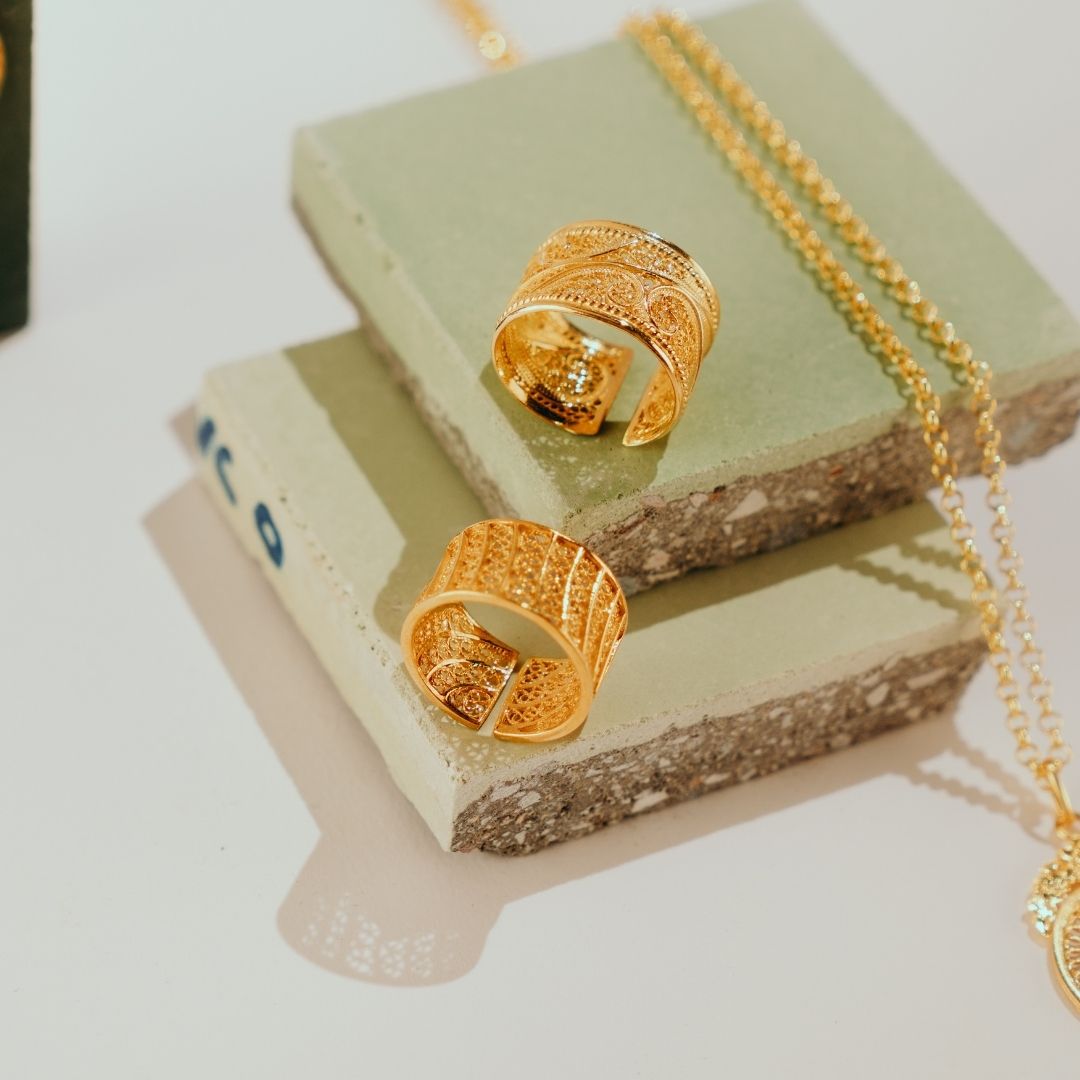
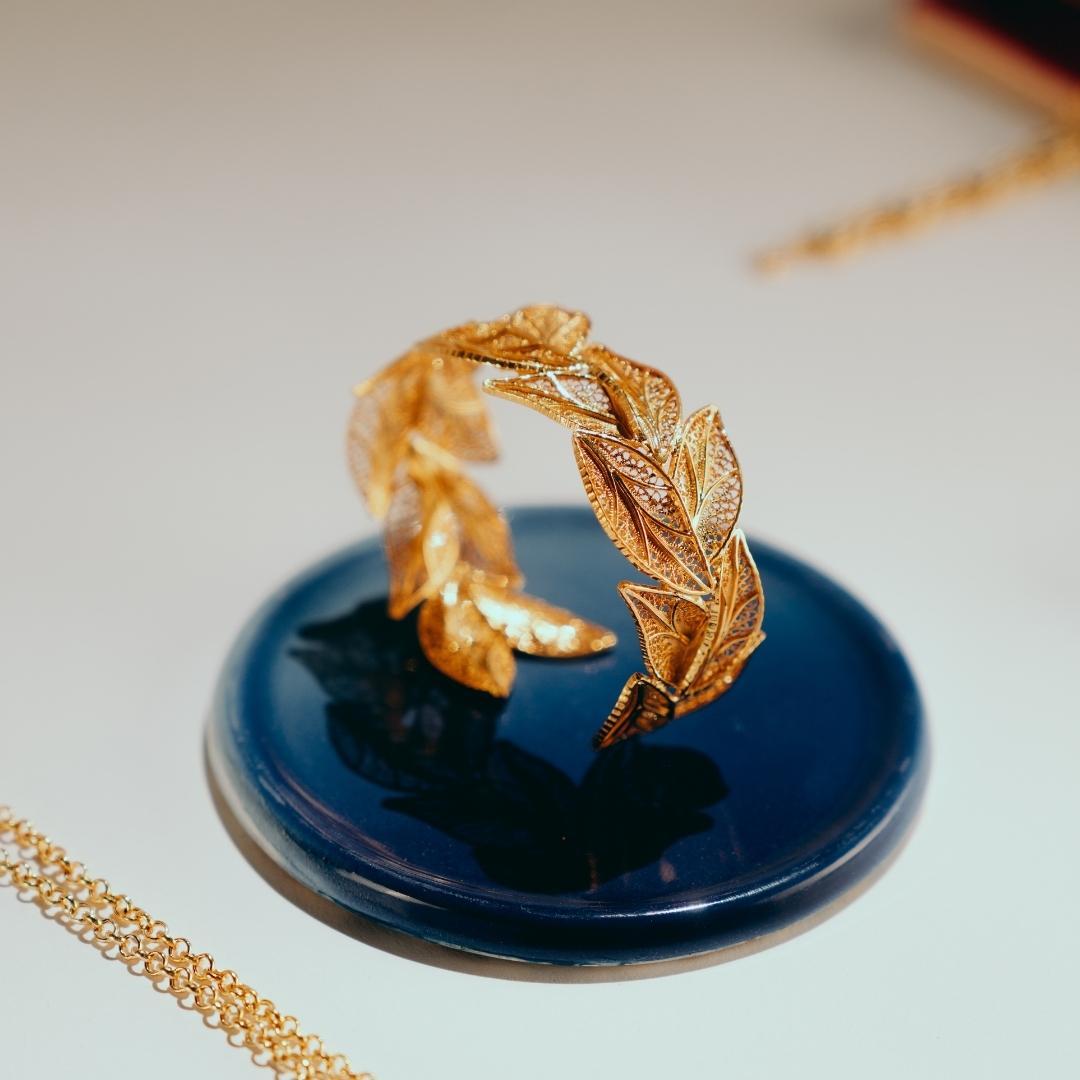
Es gibt zwei Arten von Filigran: aufgebrachtes Filigran, das als dekoratives Element über einer Oberfläche verwendet wird, und integriertes Filigran, bei dem das gesamte Stück ausschließlich aus verschlungenen Fäden konstruiert wird, ohne Untergrund oder Hintergrund, was die absolute Meisterschaft des Handwerkers zeigt.
DIE KUNST DER DETAILS
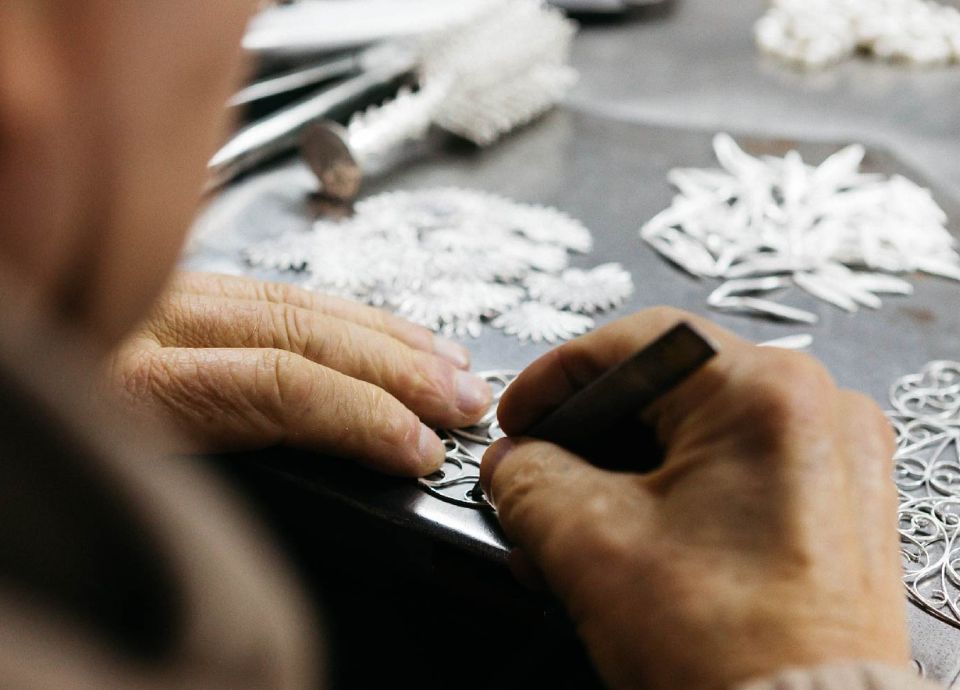
Die Filigran-Technik besteht aus der Umwandlung von Edelmetallen in äußerst feine Fäden, traditionell Goldlegierungen, obwohl viele Stücke auch in Sterlingsilber hergestellt werden. Diese Fäden, oft nicht dicker als 0,22 Millimeter, sind paarweise verdreht und sorgfältig abgeflacht, um die zarten Strukturen zu schaffen, die Filigran-Schmuck definieren.
Diese Fäden, oft so dünn wie ein Haar, werden wiederholt gezogen, bis sie die genaue Dicke erreichen, die der Handwerker benötigt. Sie werden dann verdreht, um ihre Festigkeit und Flexibilität zu erhöhen, so dass sie gebogen, geformt und gerollt werden können zu komplexen dekorativen Mustern ohne zu brechen.
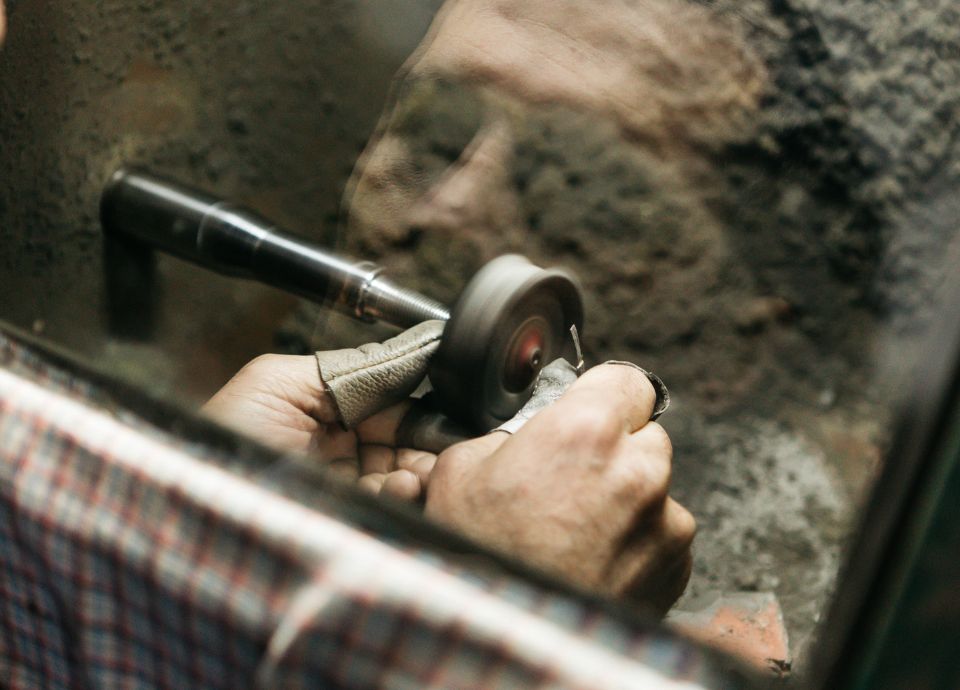
In Portugal nutzen Handwerker Filigran lange Zeit nicht nur als Form künstlerischen Ausdrucks in traditionellem Schmuck, sondern auch in verschiedenen kulturellen Ausdrucksformen präsent. Seine komplexen Motive werden oft durch Natur und Alltag inspiriert und erscheinen in Formen wie Blumen, Wellen, Spiralen und Fischschuppen, die jedem Juwel seinen charakteristischen Charakter verleihen.
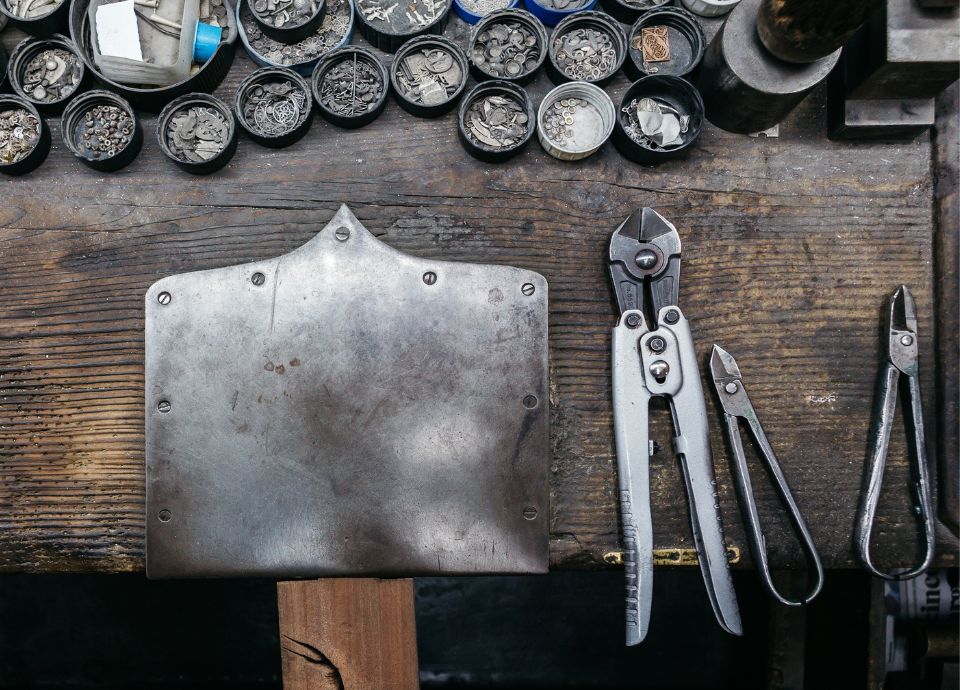
Filigran bleibt eine Kunstform, die durch ihren stark manuellen Produktionsprozess definiert wird. Meistergoldschmiede bearbeiten äußerst feine Fäden aus Gold oder Silber, weben und löten sorgfältig jedes Element, um komplexe Kompositionen zu bilden.
Dieses anspruchsvolle Handwerk, über Generationen verfeinert, hat Filigran seinen internationalen Ruf für Exzellenz und Qualität eingebracht.
Ikonischer Filigranschmuck
-

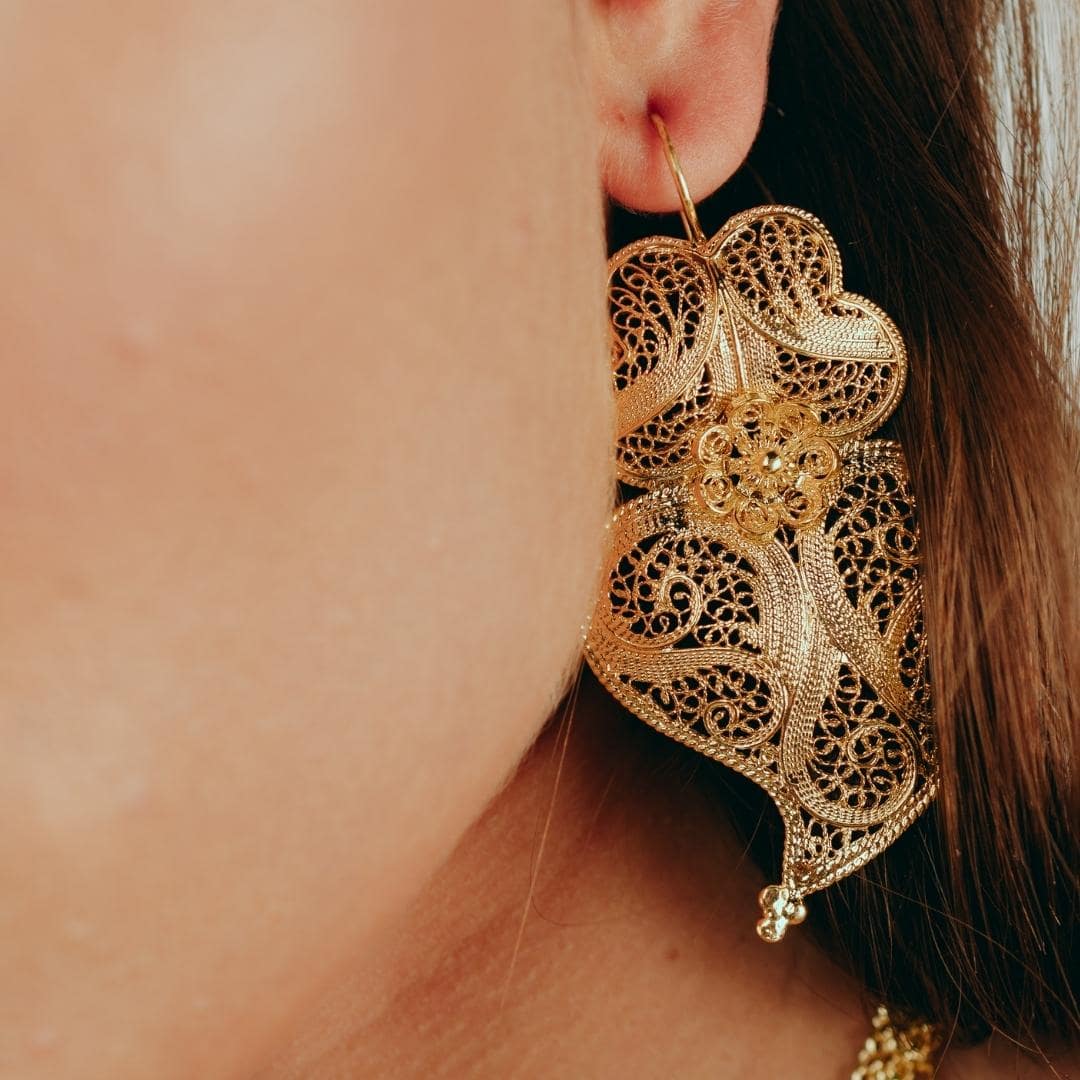
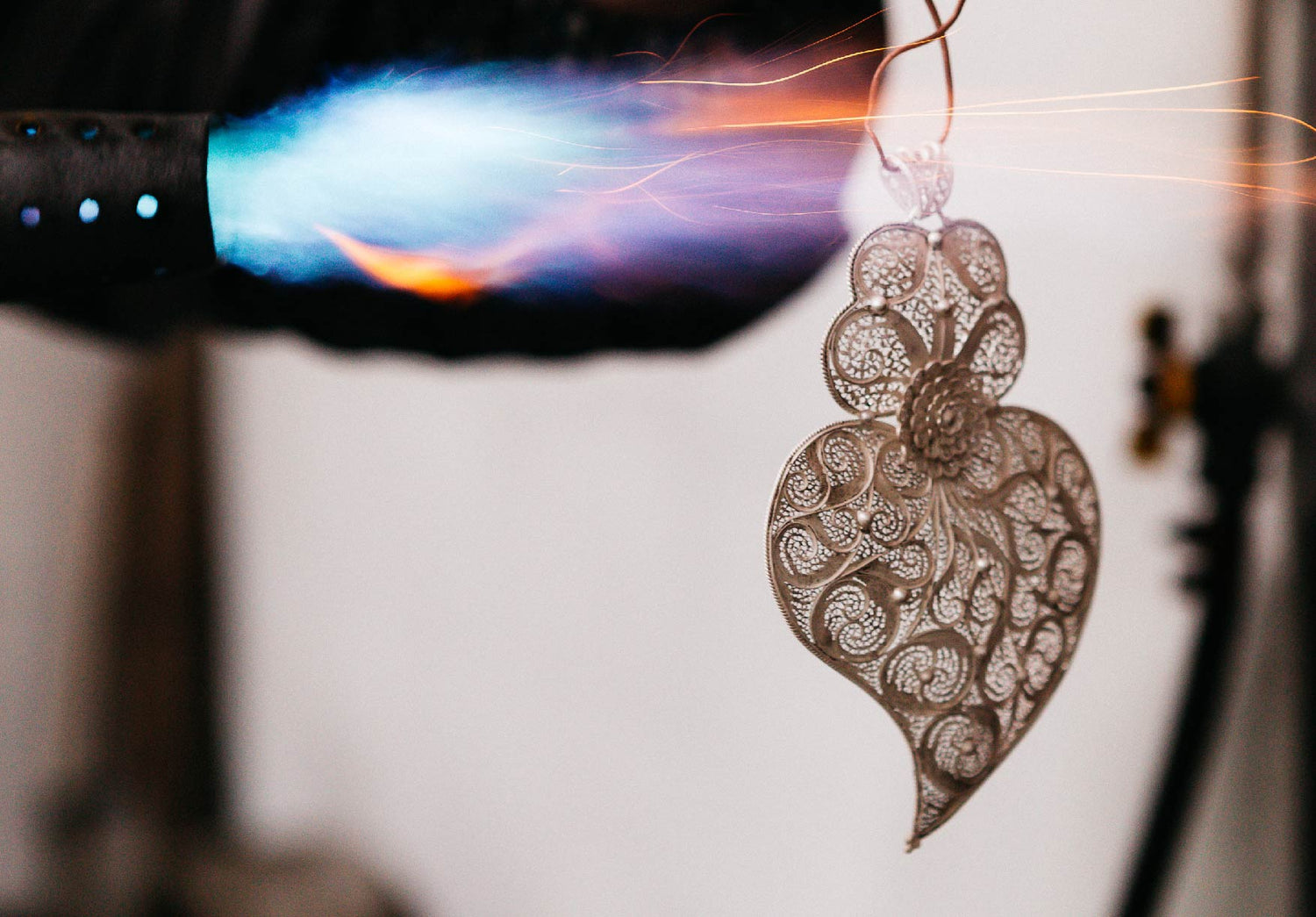
Das Herz von Viana
Herz von VianaDas Herz von Viana ist das ikonischste Stück Filigrans.
Entgegen der landläufigen Meinung ist sein Ursprung nicht mit romantischer Liebe verbunden, sondern mit religiöser Hingabe, da es das Heilige Herz Jesu symbolisiert.
Mit der Zeit wurde es zu einem Symbol der Liebe und Tradition, untrennbar von der Kultur des Minho und der traditionellen weiblichen Kleidung, die getragen wird während der Festa Senhora d'Agonia in Viana do Castelo.
Bei Portugal Jewels finden Sie das Herz von Viana neu interpretiert in Sterlingsilber und vergoldetes Silber, treu zur Tradition und perfekt für diejenigen, die Authentizität schätzen.
-

Vianas Contas und traditionelle Halsketten
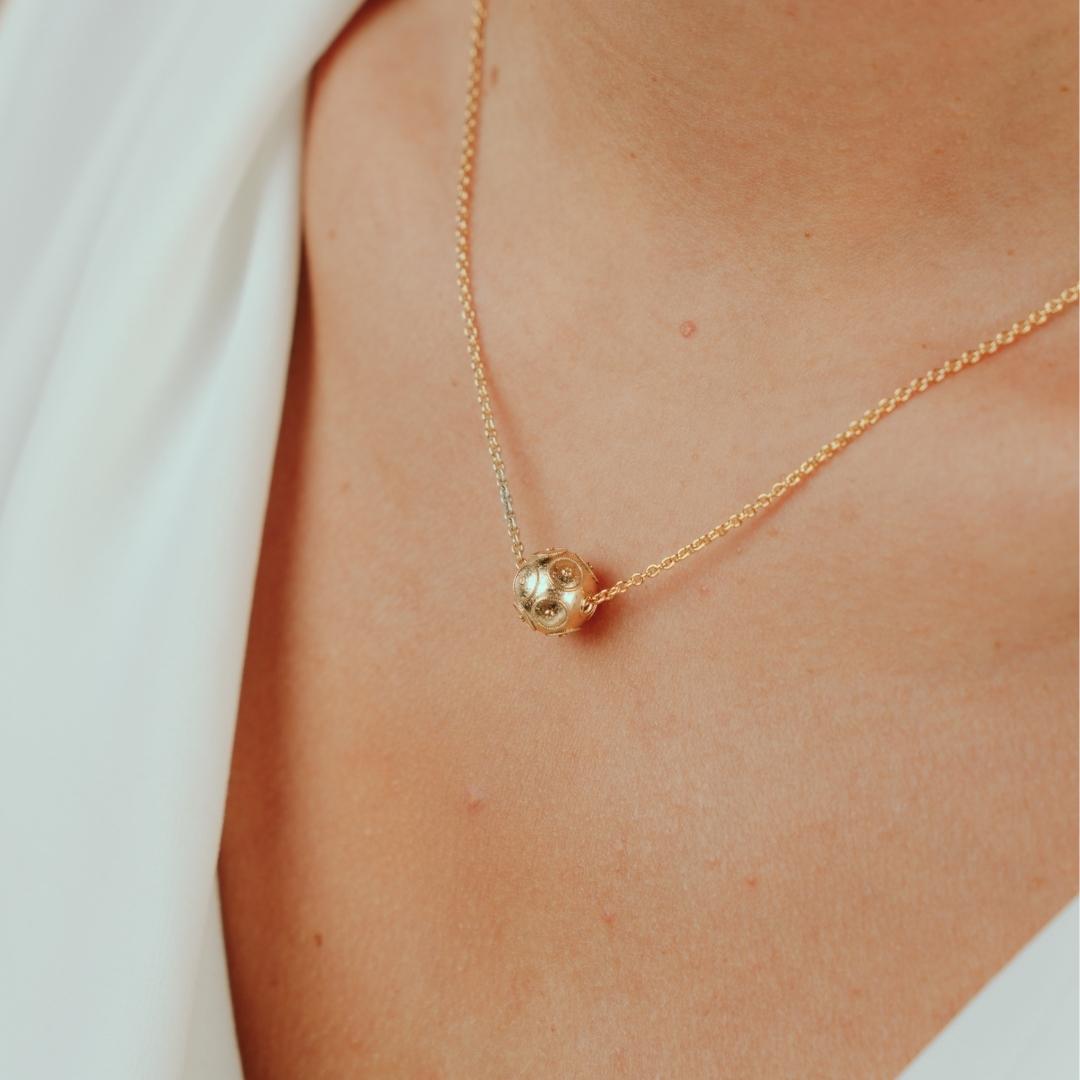
Vianas ContasContas de Viana sind kleine Kugeln, die mit Filigran-Elementen gefertigt werden, ursprünglich bei Festivals und Pilgerfahrten in Nordportugal getragen.
In Halsketten aufgereiht stellen sie einen der delikatesten Ausdrücke dieser Jahrhunderte alten Kunstform dar. In unserer Kollektion finden Sie Contas de Viana und traditionelle Halsketten, die das Wesen des Filigrans mit maelloser Ausführung bewahren.
-

Arrecadas
ArrecadasArrecadas, sichelförmige Ohrringe, sind eine der ältesten Typologien der portugiesischen Goldschmiedekunst, mit Wurzeln in der antiken Castreja-Kultur.
Diese Ohrringe sind Teil Portugals symbolischen Reichtums und enthalten mehrere Filigran-Elemente, die ihren visuellen Eindruck und historischen Wert verstärken.


WO FILIGRAN ENTSTEHT
Filigran hat eine starke historische Präsenz im Norden Portugals, einer Region, die historisch reich an Edelmetallen ist. Gondomar, in der Nähe von Porto, ist bekannt für die Herstellung detaillierter Goldschmiedearbeiten. Póvoa de Lanhoso, im Herzen des Minho, wird häufig mit der Goldschmiedetradition in Verbindung gebracht, bekannt als 'Land des Goldes', wo Generationen von Handwerkern ihr Leben dieser Jahrhunderte alten Kunstform widmen.
In Travassos, das Goldmuseum, untergebracht in einer ehemaligen Goldsmiede Werkstatt aus dem Jahr 1742, bewahrt und fördert die Erinnerung einer Gemeinschaft, die seit alter Zeit mit Goldhandwerk verbunden ist.

FILIGRAN IN DER PORTUGIESISCHEN KULTUR
Filigran ist viel mehr als Schmuck; es etabliert sich als Tradition mit Ausdruck in Portugal. Seine Motive repräsentieren Natur, Religion und Liebe: das Meer erscheint in Fischen, Muscheln und Booten; das Land inspiriert Blumen, Kleeblätter und Girlanden; der Glaube manifestiert sich in Malteserkreuzen und Reliquiaren.
Traditionell begleiten Filigran-Schmuckstücke die wichtigsten Momente des Lebens: sie sind ein wesentlicher Teil der Brautausstattung in Minho, glänzen in Volkstanzgruppen und markieren Feierlichkeiten wie die Festa Senhora d'Agonia. Ein Filigran-Schmuckstück anzubieten ist das Teilen einer zeitlosen Tradition, die sich über Generationen fortsetzt.
Häufig gestellte Fragen
Aus welchem Material wird Filigran gefertigt?
Traditionell wird Filigran in Gold gefertigt, insbesondere in 19,2 kt Gold, das für Portugal charakteristisch ist, sowie in 925er Sterlingsilber. Bei Portugal Jewels sind die Stücke in Sterlingsilber und vergoldetem Silber erhältlich, wobei die Qualität und Authentizität der handwerklichen Technik bewahrt werden
Welches ist das bekannteste Filigranstück?
Das Herz von Viana ist das weltweit bekannteste Filigranstück. Ursprünglich ein Symbol der religiösen Hingabe an das Heiligste Herz Jesu, wurde es zu einer Ikone der Liebe und der portugiesischen Tradition, besonders verbunden mit der Region Viana do Castelo.
Wo wird Filigran in Portugal hergestellt?
Die wichtigsten Zentren der Filigranproduktion befinden sich im Norden Portugals, insbesondere Gondomar (Bezirk Porto) und Póvoa de Lanhoso (Bezirk Braga), letzterer häufig mit der Goldschmiedetradition in Verbindung gebracht, bekannt als das 'Land des Goldes'.
Wenn ein Schmuckstück vollständig nach dem traditionellen Verfahren und zu 100 % von Hand gefertigt wird, wird dies auf der jeweiligen Produktseite angegeben.